
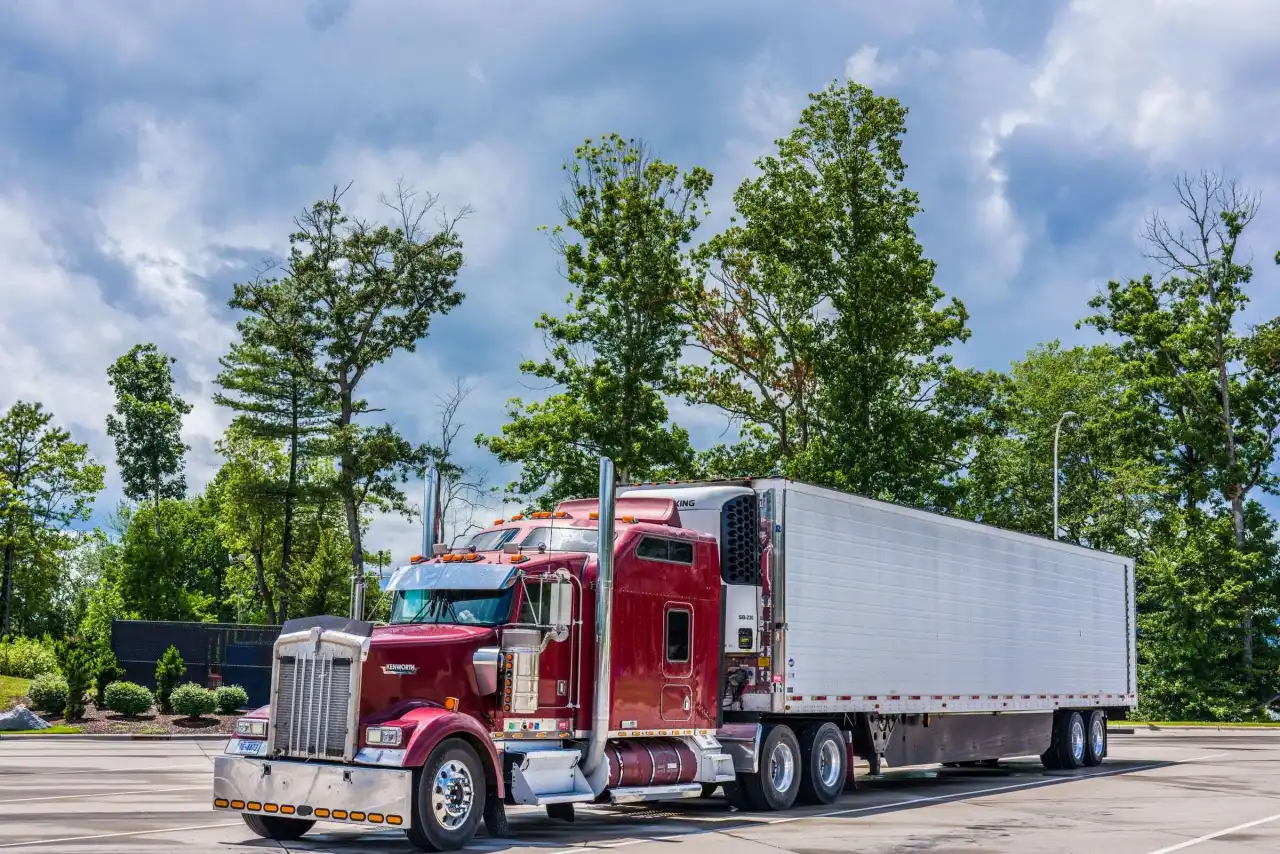
New Authority Trucking Insurance for New Ventures
New authority trucking insurance is primary liability of at least $750,000 for most general freight, filed with the FMCSA on a BMC-91X, before your authority can go active. Most new carriers also buy cargo and physical damage, because brokers and lenders ask for them. New ventures pay more at first; a clean first year earns a 20‑30% cut at first renewal; the new-venture surcharge runs to about year three.
Somra Insurance Agency works with new ventures. We quote GEICO, Progressive and other carriers, handle the filings and explain every coverage in plain English. Call 281‑766‑0619 to get started.
What the FMCSA requires before your authority goes active
Getting your USDOT and MC numbers is the start.
The FMCSA won't activate a for-hire authority until three things are on record.
- Primary liability filing (BMC-91X)
- Proof of at least $750,000 in liability for most general freight, more for hazmat. Your insurance company files it electronically once the policy is bound. We take care of that for you.
- Process agent (BOC-3)
- A BOC-3 names a process agent in each state where you operate, someone who can accept legal papers for you. It's filed by a process agent company, not by the insurance company, and most new carriers buy it as a package for all states.
- Cargo filing for household goods (BMC-34)
- Only household goods movers file cargo proof with the FMCSA. For general freight, cargo coverage is set by your brokers, not by federal rule.
Required coverage and what brokers expect
Here's what a new authority usually carries, starting with what's required.
- Primary auto liability
- Required. $750,000 is the federal minimum for most freight, and $1,000,000 is what most brokers and shippers ask for.
- Motor truck cargo
- Not federally required for general freight, but most brokers want to see $100,000 before they tender a load. See motor truck cargo insurance.
- Physical damage
- Covers your own truck and trailer. A lender will require it on financed equipment, and it's the coverage that keeps one bad day from ending the business.
- General liability
- Many shippers ask for it for loading and unloading.
- Occupational accident
- Medical bills and lost income if you're hurt on the job, for owner-operators without workers' comp.
What new ventures pay, and when it comes down
Carriers charge new authorities more because there's no loss history to price from. They don't know yet whether you'll run clean. That surcharge is real, and nobody can make it disappear on day one.
Here's how it comes down. A clean first year earns a 20‑30% cut at first renewal; the new-venture surcharge runs to about year three.
That's why the first year matters so much. Clean inspections, no claims and on-time payments are what we take to the carriers at renewal. A cancellation for non-payment follows you, so we set up a payment plan you can keep.
Your own experience counts from the start. Years behind the wheel as a company driver help your rate, even with a new MC number. So does starting with freight that's easier to insure, like dry van general freight, and running a dash camera from the first load. If you're newer to a CDL, our post on insurance for new CDL drivers covers what underwriters look at.
For the exact number on your truck, the answer is a quote. We'll tell you what's driving the price and what would bring it down at renewal.
Getting loads with a new authority
It is harder to get loads in the first months, and insurance is a big part of why. Many brokers ask for $1,000,000 in auto liability and $100,000 in cargo, and some won't use a carrier until its authority has been active for a set time. Having your limits right on day one gets you past the first check.
We send certificates to brokers as fast as you need them. In most cases, we can bind coverage and issue a certificate of insurance the same day, and after that a new certificate for a new broker is a quick call.
Keep the rest of your setup broker-ready too. Brokers check that your authority is active, your insurance is on file and your inspection record is clean. Those checks are automated at most large brokers, so a lapsed filing can cost you a load before anyone picks up a phone.
What to have ready for a quote
A new venture quote goes faster with these in hand.
Start about two weeks before you need coverage; some new ventures take longer to place.
- Your CDL
- Plus the CDL of every other driver.
- USDOT and MC numbers
- Or where you are in the application.
- Each truck and trailer
- Year, make, model, VIN and what it's worth.
- Driving records
- A motor vehicle record for each driver, going back several years.
- Your operation
- What you'll haul and where you'll run.
Starting a trucking company that stays in Texas
If your trucks will run only inside Texas, you register with TxDMV instead of getting a federal authority. A TxDMV number is required for a truck or combination over 26,000 pounds, for hazmat that needs placards, or for a vehicle built to carry more than 15 passengers.
Your insurance company files proof of liability electronically on a Form E, and the state minimum for for-hire trucks over 26,000 pounds is $500,000.
Many new Texas carriers get both, because the first good load that crosses the Red River needs a federal authority. Our page on commercial truck insurance in Texas covers the state side.
After you're bound: keeping your authority active
Once your filings are on record and the authority is active, the job is keeping it that way. If a policy cancels, the insurance company notifies the FMCSA or the state, and your authority is at risk once that notice runs out. We watch those dates and call you before a lapse, not after.
Tell us before you add a truck, a driver or a new kind of freight. Every driver needs to be listed, and some commodities change the price or the carrier. At renewal, we pull your loss runs and inspection history and take them back to the market. That's when the clean first year pays off.
Mistakes that cost new carriers money
Buying on price alone. The cheapest policy can leave out the one thing a broker or a claim needs. We show you what each quote covers, not just what it costs.
Skipping the exclusions. Every policy is different. Reefer breakdown, unattended trucks and certain commodities are common places where coverage stops.
Growing without telling your agent. Adding a truck, a driver or a new kind of freight without updating the policy is how claims get denied. A quick call keeps you covered.
Letting a payment slip. A cancellation starts a clock on your authority and shows up at every future quote.
How a new venture quote works
You can start this before your MC number is even active.
1. Send us the basics
Your CDL, your trucks and what you plan to haul. Call 281‑766‑0619 or use the quote form.
2. We shop the new venture carriers
Not every carrier writes new authorities. We go to the ones that do and bring back prices side by side.
3. Bind, file and roll
You choose, we bind and file the BMC-91X, and your certificates go out to brokers the same day in most cases.
Why new ventures start with Somra
We handle the filings, explain every coverage and stay with you as the business grows. Vin Somra has been in the insurance business since 2014, and the agency looks after 465 policyholders with 108 five-star reviews. We're independent, so we can shop your new authority with more than one carrier.
We answer in the evenings and on weekends, when you're getting a business off the ground. See our commercial truck insurance page for everything else we write.
Starting out, you'll have questions nobody else will answer straight. Call us. If the answer is that a load, a truck or a lane will cost more to insure than it pays, we'll tell you that too.
New authority questions
More trucking coverage
Get your authority insured and active
Send us your truck, your drivers and what you plan to haul. We'll quote it with more than one carrier and handle the filings once you're bound. Call 281‑766‑0619.